Despite being your home’s first line of defense against the weather, your roof is frequently the area of property maintenance that is neglected the most. Algal growth is one of the most significant unseen risks to roofs on both residential and commercial structures. Despite their apparent innocuousness, algae can harm structures and aesthetics over time if left unchecked. Timely roof cleaning services are therefore essential for prolonging the life of your investment and are not just for improving curb appeal.
This comprehensive guide will explain how algae damage your roof, the best ways to clean it, and why every homeowner should include professional roof cleaning in their roof maintenance services package.
Why Algae Grows on Roofs in the First Place
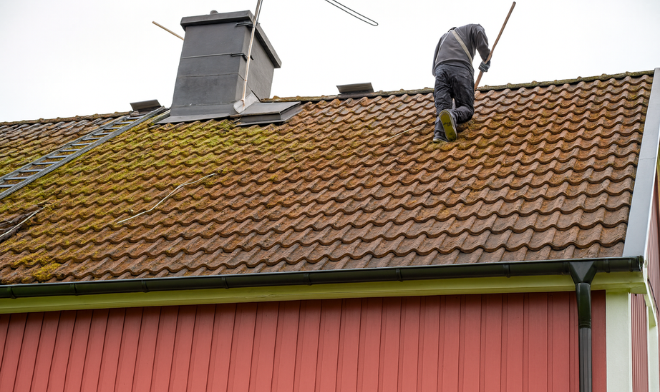
Many rooftops naturally provide the warm, humid, and shaded conditions that algae prefer. Gloeocapsa magma, a blue-green algae that causes dark black streaks on shingles, is the most common culprit in North America and some regions of Asia. The Asphalt Roofing Manufacturers Association (ARMA) states that because moisture lingers longer on north-facing roof sides, algae growth is more prevalent there.
Key factors fueling algae growth:
- Retention of moisture as a result of rain, humidity, or blocked gutters
- Tree shade lowers evaporation
- Warm temperatures that promote the growth of microorganisms
- Accumulation of nutrients from organic waste, such as pollen or leaves
Indeed, within ten years of installation, algae grows on more than 80% of asphalt shingle roofs in humid climates, according to a National Association of Home Builders study. This growth decreases roof efficiency and speeds up roof aging if left untreated.
The Hidden Dangers of Algae on Roofs
Algae are often thought of by homeowners as a cosmetic issue. Although ugly streaks can detract from curb appeal, an infestation of algae presents more serious risks:
- Structural Damage: Because algae hold onto moisture, they can gradually deteriorate roofing components, weakening underlayment and shingles.
- Energy Efficiency Loss: According to the U.S. Department of Energy, dark streaks absorb more heat, which raises indoor temperatures and raises cooling expenses by up to 10% to 15% during the summer.
- Decreased Property Value: Because prospective buyers link algae growth to poor maintenance, dirty or streaked roofs can lower a home’s value by as much as 5% to 10%.
- Reduced Roof Lifespan: Lichen, algae, and moss erode shingle granules, causing them to need to be replaced sooner rather than later. If left unattended, typical asphalt shingles with a 20-year rating may fail in 12 to 15 years.
It is obvious that neglecting algae can result in far higher repair and replacement costs than spending money on preventive roof maintenance services.
DIY Roof Cleaning vs. Professional Roof Cleaning
DIY Roof Cleaning
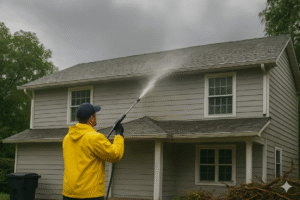
Some homeowners try using pressure washers or bleach solutions for cleaning. Bleach can kill algae, but it can also cause shingles to age too quickly, corrode gutters, and harm landscaping. Inadequate pressure washing can remove protective granules, reducing the lifespan of the roof.
Professional Roof Cleaning
Certified professionals employ tried-and-true methods for cleaning roofs, including:
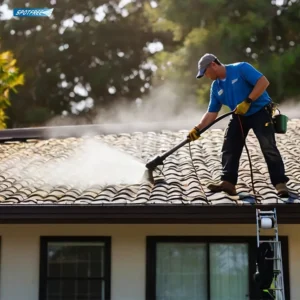
- Soft washing: Using eco-friendly biocides in conjunction with a low-pressure system, this method eliminates algae at its source without harming shingles.
- Treatments for prevention include applying copper/zinc-based strips or algaecides to stop regrowth.
- Safety procedures: To avoid mishaps, experts wear harnesses, appropriate footwear, and insurance.
Professionally cleaned roofs last 30 to 50% longer than roofs cleaned using do-it-yourself or high-pressure techniques, according to data from the Professional Roof Cleaning Association. The difference in avoided replacement costs for homeowners can amount to thousands of dollars.
Roof Cleaning Techniques Explained
Soft Washing
- Detergent and biocides mixed with low-pressure water (less than 500 psi).
- The safest and best approach for tile roofs and asphalt shingles.
- 99% of mold, moss, and algae are removed.
Chemical Cleaning
- Usually hydrogen peroxide or sodium hypochlorite (bleach) solutions.
- Efficient but needs to be applied carefully to avoid harming the environment.
Pressure Washing
- Only sturdy surfaces, such as metal roofs, can be cleaned effectively with high-pressure cleaning.
- Because of the possibility of granule loss, asphalt shingles are not advised.
Preventive Installations
- When it rains, ions released by zinc or copper strips affixed to roof peaks prevent algae from growing again.
- Lowers the frequency of maintenance.
The severity of the algae, the type of roof, and the local climate all influence the best roof cleaning methods, which emphasizes the value of speaking with qualified roof cleaning specialists.
How Often Should Roof Cleaning Be Done?
- For residences in humid or shaded regions, such as Florida or coastal India, every two to three years.
- For drier climates or more recent roofs with algae-resistant shingles, every three to five years.
- Annually (inspection): Annual inspections are essential to detect algae early, even if cleaning is not required
The Link Between Roof Maintenance and Home Value
In addition to being useful, clean roofs are also advantageous in real estate markets. Homes with recently maintained roofs sell up to 20% faster than those with obvious roof moss or algae, according to data from Realtor.com. Purchasing roof maintenance services can have a direct impact on a property owner’s resale value in competitive markets.
Sustainable and Eco-Friendly Roof Cleaning
Eco-friendly roof cleaning services are becoming more and more popular. Cleaning doesn’t damage nearby landscapes or contaminate groundwater thanks to biodegradable detergents, water-efficient systems, and safe runoff management. Some businesses even employ drone inspections to reduce foot traffic on roofs, which lowers the possibility of unintentional damage.
In addition to protecting your house, sustainable cleaning lessens its negative effects on the environment, which is becoming more and more important to environmentally conscious homeowners.
Signs You Need Professional Roof Cleaning Immediately
- Black patches or streaks that are visible from the ground
- Elevated interior temperatures even with regular air conditioning use
- Growth of moss beneath shingles or along roof edges
- Water stains on attics or ceilings are a sign of moisture buildup.
- Over ten years of roof age without any previous cleaning
Ignoring these warning indicators could result in more expensive repairs.
Conclusion: Why Professional Care is Non-Negotiable
Although algae may appear innocuous at first, there is no denying its long-term effects on roofs. Algal growth can negatively impact homeowners’ finances and property value, resulting in energy inefficiency and decreased property value. The best defense against this silent invader is professional expertise combined with routine roof cleaning services.
Nothing compares to the accuracy, security, and longevity of professional roof cleaning, even though do-it-yourself projects might provide temporary solutions. Your roof will remain algae-free and have years more life if you have the proper roof maintenance services in place.
Squeaky Clean specializes in cutting-edge roof cleaning methods that strike a balance between care and efficacy. We are the go-to option for safeguarding your home, which is your most valuable asset, because of our eco-friendly practices, knowledgeable staff, and commitment to safety. Squeaky Clean guarantees that your roof will remain sturdy, effective, and attractive for many years to come, whether it is through preventive cleaning or the removal of tough algae.